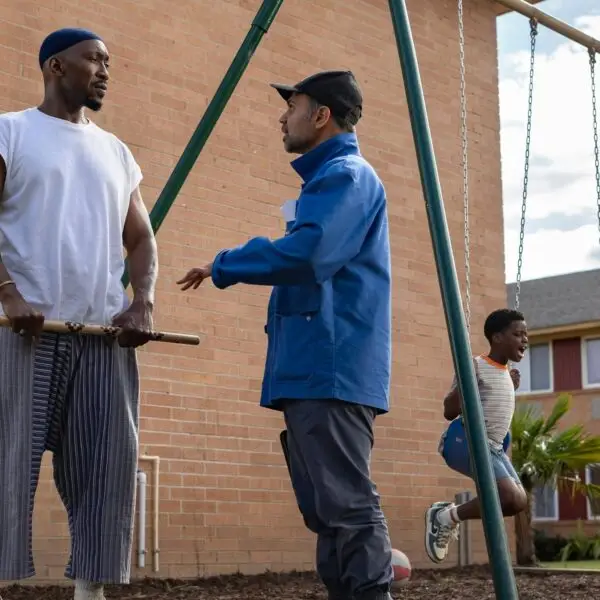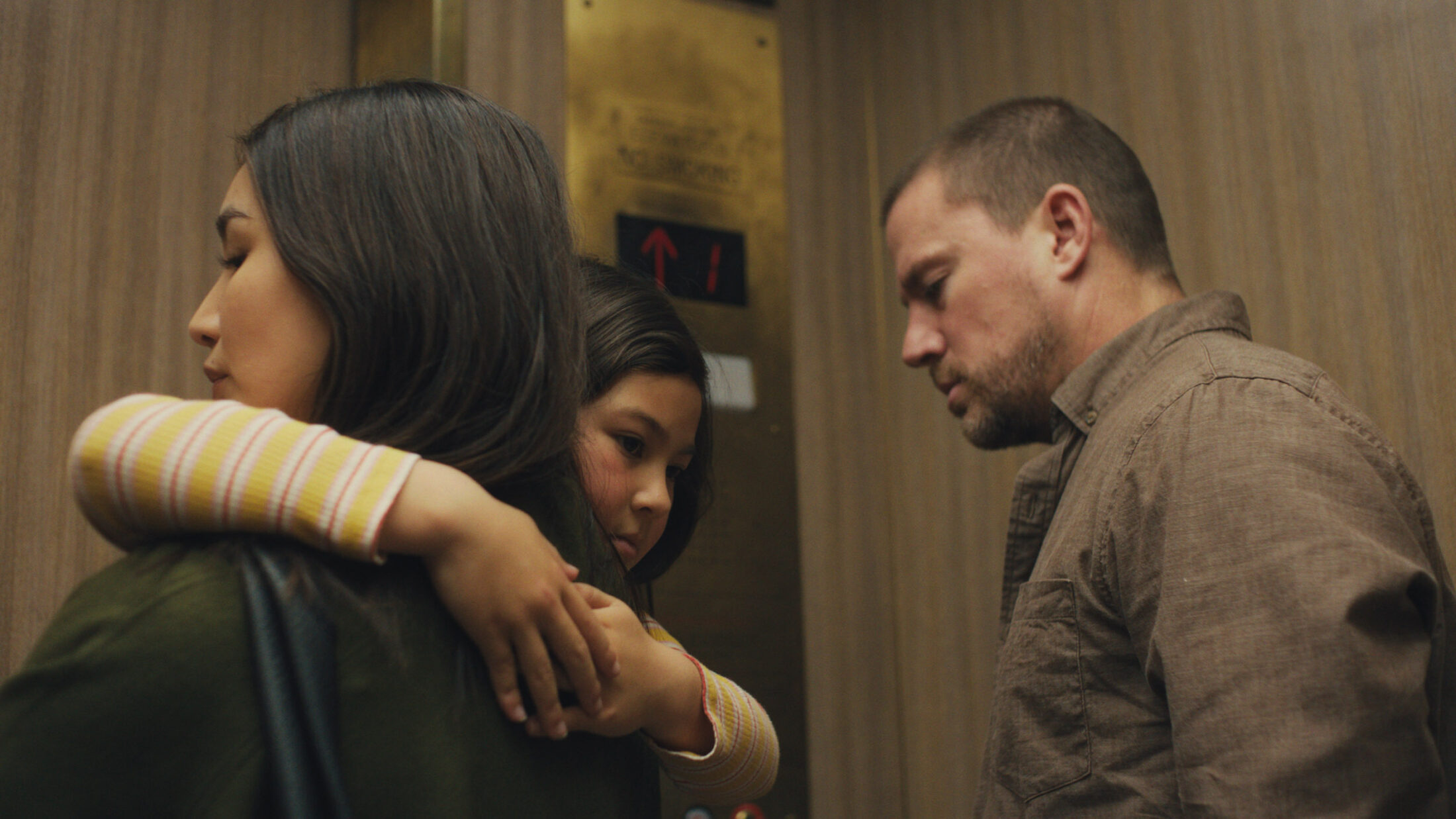

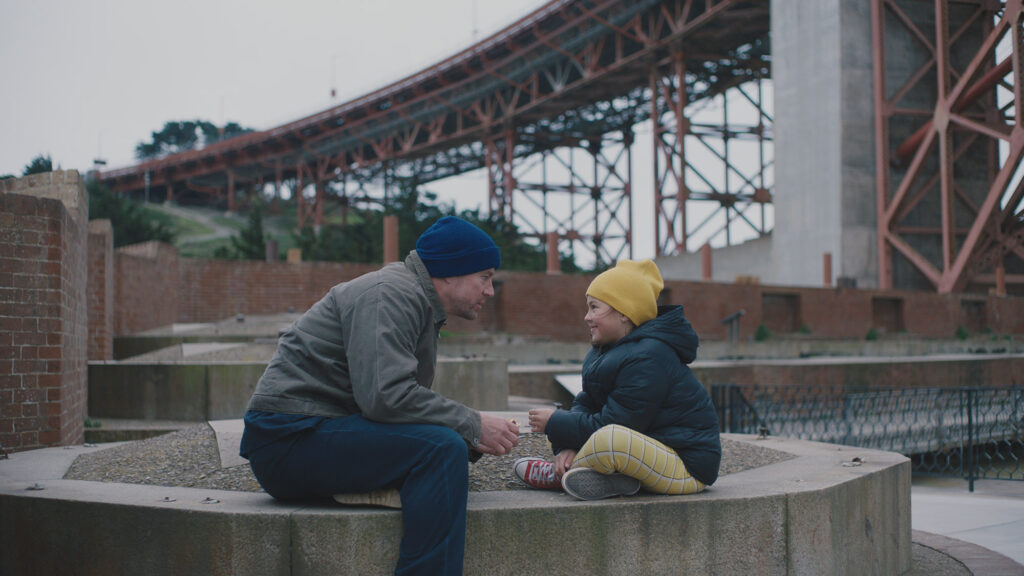
In the opening minutes of Beth de Araújo’s Josephine, an eight-year-old girl runs through San Francisco’s Golden Gate Park alongside her father, enjoying what should have been an ordinary morning together. Josephine (Mason Reeves) is a bright, energetic child who loves playing soccer, and her relationship with her father Damien (Channing Tatum) is immediately established as one built on affection, playfulness and the sort of easy familiarity that makes their interactions feel almost improvised. But their morning takes a horrifying turn when they stumble upon a woman being sexually assaulted, an incident that fundamentally changes Josephine’s understanding of the world around her and leaves her parents struggling to help their daughter come to terms with something no child should ever have to witness.
What follows is an extraordinarily powerful, frequently devastating exploration of childhood trauma, the complicated realities of parenthood and the ways in which fear can completely alter our perception of the world. Written and directed by de Araújo, whose previous film Soft & Quiet was among the most disturbing horror debuts in recent memory, Josephine is a remarkably assured piece of filmmaking that approaches its difficult subject matter with an impressive amount of sensitivity without ever shying away from the uglier aspects of its story. Much of the film unfolds from Josephine’s perspective, with cinematographer Greta Zozula frequently positioning the camera at the young girl’s eye level, allowing audiences to experience her growing confusion and paranoia as she attempts to understand what she witnessed.
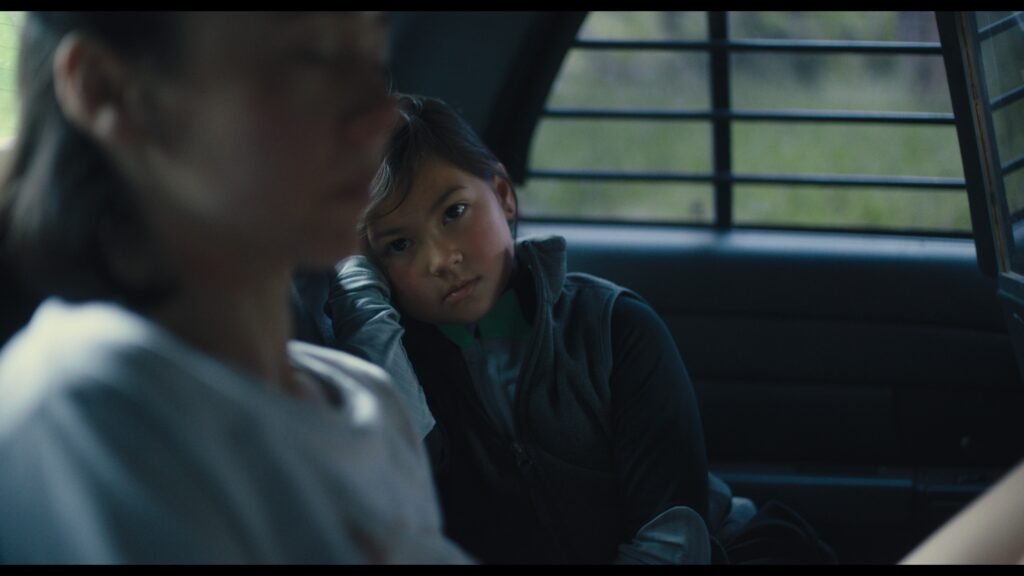
It’s an incredibly effective approach, particularly because de Araújo understands that Josephine’s fear extends far beyond the incident itself. Suddenly, the world she once navigated with the carefree confidence of a child has become an unfamiliar, threatening place, and the people she would ordinarily turn to for reassurance seem just as uncertain about how to handle the situation. Her father, increasingly consumed by his desire to protect her from further harm, becomes convinced that teaching her to defend herself is the best way forward, while her mother Claire (Gemma Chan) attempts to provide a more measured response. Neither approach is entirely successful, and the growing differences between the parents only complicate Josephine’s recovery.
The performances are exceptional across the board. Tatum delivers some of the finest work of his career as Damien, a loving father whose frustration at his inability to protect his daughter gradually manifests itself in ways that threaten to make an already difficult situation considerably worse. Chan is equally wonderful as Claire, bringing an enormous amount of warmth and emotional intelligence to a woman attempting to hold her family together while struggling with her own feelings of helplessness. But it’s newcomer Reeves who emerges as the film’s greatest revelation, delivering an astonishingly mature, often heartbreaking performance that captures Josephine’s growing anger, confusion and vulnerability without ever making her feel like anything other than an actual eight-year-old girl.
It’s a remarkable achievement, made all the more impressive by the fact that Josephine marks Reeves’ feature film debut. The young actress, whom de Araújo discovered at a farmers market in San Francisco, is particularly affecting in the film’s quieter moments, when her character’s attempts to understand the adults around her give way to flashes of frustration and fear. There are few things more difficult to convincingly portray on screen than a child’s developing awareness of the cruelty that exists in the world, but Reeves approaches the material with an extraordinary amount of naturalism, more than holding her own alongside her considerably more experienced co-stars.
The film is also an intensely personal project for de Araújo, who began writing the screenplay in 2014 after revisiting a traumatic childhood experience of her own. As an eight-year-old, the filmmaker had witnessed a sexual assault while visiting Golden Gate Park with her father, an incident whose psychological consequences she would only fully begin to understand years later. Drawing from those memories, she began developing a story about a young girl’s confrontation with violence and the lasting effects of being exposed to something so horrifying at such an impressionable age.
But bringing the film to the screen would prove considerably more difficult than writing it.
De Araújo spent the better part of twelve years developing Josephine, taking the screenplay through the Sundance Institute’s filmmaking labs and navigating the often frustrating realities of independent film financing. During that time, she managed to write, direct and release Soft & Quiet, her feature-length directorial debut, before finally getting the opportunity to make the film that had occupied so much of her life.
Although de Araújo was understandably disappointed that Josephine couldn’t become her feature-length directorial debut, she has since come to appreciate the experience she gained from making Soft & Quiet first, particularly when it came to navigating the pressures of directing a film with such emotionally demanding material.
“At the time, I was quite devastated that I couldn’t get Josephine up off the ground to be my first feature film,” she admits. “But I’m now very grateful for it because Soft & Quiet, we had very, very little resources to make, and so much about directing is how you manage stress.”
Having already navigated the difficulties of an independent production, de Araújo felt considerably better prepared to support her actors when the time finally came to make Josephine, allowing her to devote more attention to Chan, Tatum and Reeves throughout filming.
For Gemma Chan, who joined the project several years before cameras eventually began rolling, the film’s release represents the culmination of an unusually long and difficult journey.
“It has been such a journey,” Chan says. “Beth started writing this film twelve years ago. I was sent the script back in 2019, so it’s been a real process to push this one up the hill.”
The actress, who also serves as a producer on the film, has been involved with Josephine for considerably longer than most of its cast, remaining committed to the project as it underwent years of development. Her involvement was particularly important to de Araújo, who reveals that by the time Chan first encountered the screenplay, it was already remarkably close to the version that would eventually be filmed.
“Gemma read basically the shooting draft,” the filmmaker explains.
The most significant changes came later, following the involvement of Tatum, who also joined the production as both an actor and producer. Damien had originally been conceived as someone born outside the United States, a characterization that de Araújo eventually reconsidered after speaking with Tatum about his upbringing in the American South and his experience of moving to a coastal city.
“I think the biggest draft that changed was once we attached Channing, because he was written originally as foreign-born,” de Araújo reveals. “But then talking to Channing about what it’s like growing up in the South and then coming to a coastal city, it felt still like Damien’s character is a fish out of water.”
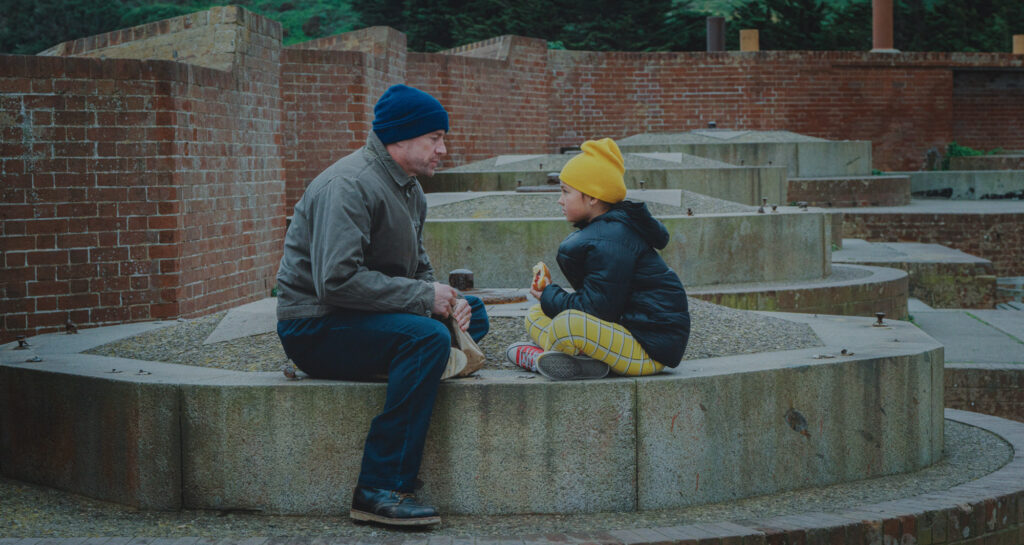
It’s a fascinating detail, particularly because Damien’s background informs much of his approach to fatherhood. He’s an incredibly physical man, someone who appears considerably more comfortable responding to a problem through action than attempting to articulate his feelings about it. When confronted with the possibility that his daughter might never feel safe again, his immediate instinct is to teach her how to defend herself, an understandable response that nevertheless fails to address the psychological consequences of what she’s experienced.
Tatum is phenomenal in the role, particularly during the more difficult scenes between Damien and Josephine, when his character’s desperation to protect his daughter begins to clash with her increasingly unpredictable behavior. There’s a palpable frustration beneath his attempts to maintain control, but the actor never loses sight of Damien’s genuine love for his family, making his more questionable decisions considerably more understandable even when their consequences become impossible to ignore.
De Araújo was also amused by another aspect of Tatum’s casting, noting that the actor already had some experience with soccer films, having starred in the beloved 2006 romantic comedy She’s the Man. For a character whose relationship with his daughter is partly established through their shared love of the sport, it was an unexpectedly convenient coincidence.
“That’s how I got the part,” Tatum jokes.
Of course, much of what makes Josephine so effective is the extraordinary chemistry between its three central performers, particularly given how dependent the film is on convincing audiences that they’re watching a family whose previously comfortable existence has been completely upended. Although the story gradually introduces tensions between Damien and Claire, their relationship never feels like one that has been manufactured simply to facilitate the screenplay’s dramatic developments. They genuinely love one another, and it’s precisely because that affection is so convincing that their increasingly strained interactions become so difficult to watch.
For Tatum, establishing that connection was one of the most important aspects of preparing for the film, with de Araújo encouraging the actors to spend time together and develop a sense of familiarity before filming began.
“Gemma and Beth and I [were] just in a room, just kind of connecting and telling stories about our lives,” Tatum recalls. “Really sharing and getting comfortable with each other and building that trust in a way.”
It was a process that became considerably more interesting once Reeves joined them, introducing an entirely different dynamic to their developing relationships.
“Then we brought in this little one, and that was a whole different experience of building a family and building a real connection,” Tatum explains.
For a film that moves between moments of genuine warmth and increasingly distressing confrontations, that early preparation proved invaluable. The family has relatively little time to establish its dynamic before the events of the opening act force its members into unfamiliar emotional territory, making the authenticity of their initial interactions especially important.
“Just time with each other, I think, in a movie like this that goes so many different places, you really have to establish that bond pretty quickly,” Tatum says.
Fortunately, the actors had de Araújo guiding them through the process, with Tatum crediting the filmmaker for helping them develop the relationships that would eventually become the foundation of the film.
“Beth was there to kind of just nudge us in the directions that she felt would be necessary.”
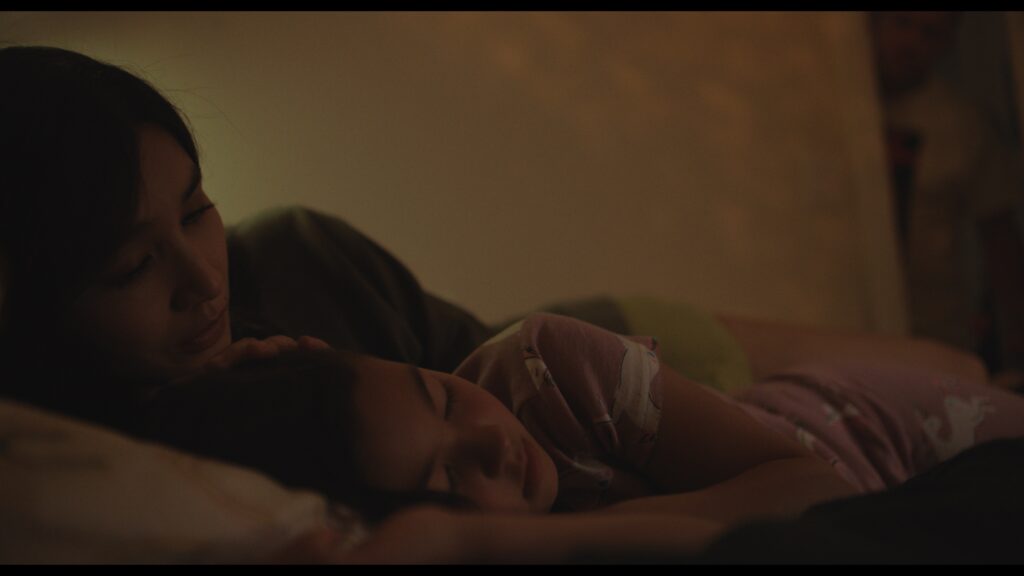
Chan remembers that preparation particularly fondly, revealing that the actors spent time together away from the cameras in an effort to develop the sort of familiarity that would make their onscreen relationships feel convincing.
“Channing and Mason went and got a mani-pedi together. We went to the playground. We had a hanging competition on the monkey bars. Mason beat both of us,” she recalls.
But beyond simply spending time together, Chan believes Reeves’ extraordinary maturity and natural instincts as a performer helped create an environment in which both she and Tatum felt comfortable exploring the more difficult aspects of their characters’ relationships.
“Because Mason is such an intelligent young girl and so wise beyond her years and such a good listener, I feel like it really gave Channing and myself permission to be very vulnerable in the scenes with her,” she explains.
That attention to character is evident throughout Josephine, particularly in the way de Araújo approaches the increasingly complicated relationship between Damien and Claire. Both parents are desperately trying to do what they believe is best for their daughter, but their respective responses to the incident are shaped by their own experiences, fears and ideas about what it means to keep a child safe.
It’s an aspect of the film that proves especially compelling because neither character has all the answers. Damien’s determination to prepare Josephine for the possibility of further violence is understandable, particularly given what he witnessed in the park, but his increasingly forceful approach threatens to reinforce the very fears he’s hoping to help her overcome. Claire, meanwhile, is considerably more sensitive to her daughter’s emotional needs, although her attempts to maintain a sense of normalcy are similarly challenged by the fact that Josephine has begun to understand things about the world that no amount of reassurance can simply make disappear.
De Araújo allows these differences to emerge naturally, resisting the temptation to make either parent an obvious villain in their daughter’s story. It’s a difficult balance to maintain, especially when dealing with material that could have so easily descended into melodrama, but the filmmaker’s understanding of her characters and the strength of the performances ensure that the family’s struggles remain convincing throughout.
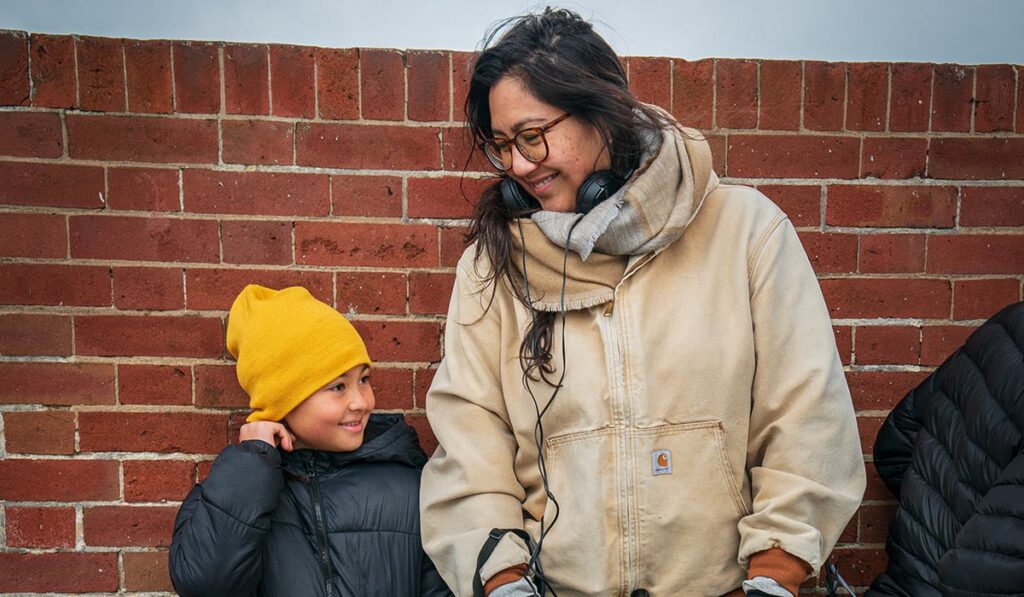
And at the center of it all is Reeves, whose performance gives the film much of its emotional power. Josephine is not always an easy character to sympathize with, particularly as her frustration begins to manifest itself in increasingly troubling ways, but that’s precisely what makes her characterization so convincing. She’s a child attempting to navigate feelings that she doesn’t yet have the language or emotional maturity to fully understand, and Reeves never makes those reactions feel rehearsed or overly calculated.
The result is one of the most impressive child performances in recent memory, and an essential part of what makes Josephine such an affecting experience.
One of the film’s most touching moments sees Josephine searching for a hair tie to return to the woman whose assault she witnessed, a seemingly insignificant gesture that takes on enormous emotional significance when considering the young girl’s desperate attempts to make sense of what happened. There’s something particularly heartbreaking about the simplicity of her actions, with Josephine believing that she’s somehow managed to make things better by returning something that was lost.
Interestingly, de Araújo reveals that the scene was among the last sequences restored to the film before the picture was locked, despite the story functioning perfectly well without it.
“The narrative would have worked without it,” she explains, but she felt it was essential to capturing Josephine’s desire to make things right, as well as the woman’s attempts to regain some control over her circumstances.
The filmmaker also remembers a particularly memorable moment during filming, when her first assistant director, who rarely interrupted her while the cameras were rolling, quietly leaned over and whispered, “This is my favorite scene.”
The comment stayed with her, and de Araújo hopes the sequence allows audiences to connect with both characters and their respective experiences of the incident.
The film eventually made its world premiere at the 2026 Sundance Film Festival, where it received an extraordinary reception and went on to win both the U.S. Dramatic Grand Jury Prize and Audience Award, a remarkable achievement for a project that had spent more than a decade struggling to reach the screen. It subsequently competed for the Golden Bear at the Berlin International Film Festival, further cementing de Araújo’s reputation as one of the more exciting filmmakers working in contemporary American independent cinema.
For Chan, seeing the film finally receive the recognition it deserves has been particularly rewarding, especially given the extraordinary amount of work that went into getting it made.
“I’m just personally so proud of Beth,” she says, reflecting on the filmmaker’s persistence and the many people who helped bring the project to fruition. “It’s really taken a whole village of believers to get it to this point.”
It’s a sentiment that de Araújo shares. Having spent twelve years fighting to bring a story so closely connected to her own experiences to the screen, the filmmaker is understandably eager for audiences to finally see the work that she and her collaborators have put into it.
“I’m just excited to share everybody’s work finally with the world, and not just a smaller, intimate filmmaking community,” she explains.
For de Araújo, the film’s eventual completion represents considerably more than simply overcoming the difficulties of independent film production. It’s also the result of a collective commitment from the people who believed in the project, many of whom made significant personal and professional sacrifices to ensure that it could be realized.
“Every single person sacrificed something for this film to get made,” she says.
The filmmaker is particularly candid about the financial realities of producing a film like Josephine, a difficult, deeply personal drama that was never going to be an especially straightforward commercial proposition. Many of the people involved could have pursued considerably more lucrative opportunities elsewhere, she explains, but chose to dedicate their time and energy to a project whose importance extended beyond its potential financial rewards.
“This is not like a Daddy Warbucks dollar-grab kind of movie,” de Araújo says. “Every single person sacrificed time with their families, a project they could have gotten paid more [for], everything.”
It’s a particularly revealing admission, especially when considering how much of de Araújo’s career has been dedicated to bringing difficult stories to the screen. Soft & Quiet was a deeply uncomfortable examination of white supremacy and the insidious ways in which hatred can manifest itself within seemingly ordinary communities, while Josephine confronts another subject that many filmmakers might understandably hesitate to approach with such unflinching honesty.
And although the two films are very different in their respective approaches to storytelling, they share an unmistakable willingness to challenge audiences, asking them to confront aspects of human behavior and society that are far easier to ignore than to examine.
Although Josephine has spent more than a decade in development, de Araújo doesn’t believe there was ever a time when its subject matter would have felt any less urgent. For the filmmaker, the continued prevalence of sexual violence, and the silence that so often surrounds it, makes the film’s exploration of trauma especially important.
“Through every iteration of making this film, somehow it’s felt relevant because this is a topic that lives in silence,” she explains. “It’s very under-researched. And because of this, people are just left to deal with their pain alone.”
For de Araújo, however, the most important thing is that Josephine is finally being seen, and that the people who helped bring it to life are receiving recognition for their work.
“You don’t do this project for any other reason other than you care about it,” she says. “I’m just really excited for everyone to see everybody’s work, cast and crew.”
JOSEPHINE is now playing in select US theaters, with a wider release scheduled for December 4, 2026.